Key Positives About Renewable Energy for Modern Society

The growing demand for reliable, affordable, and environmentally responsible energy has made renewable energy an important part of the modern energy landscape. Solar, wind, hydropower, geothermal, and biomass resources provide alternatives to traditional fossil fuels while supporting long-term economic and environmental goals. Understanding the positives about renewable energy helps individuals, businesses, and governments recognize why clean energy technologies are becoming increasingly important.
Renewable energy comes from naturally replenished resources. Unlike finite fuels such as coal, oil, and natural gas, renewable resources can be used repeatedly when properly managed. As technology improves and investment increases, renewable energy is becoming more accessible across residential, commercial, and industrial applications.
1. Reduces Environmental Impact
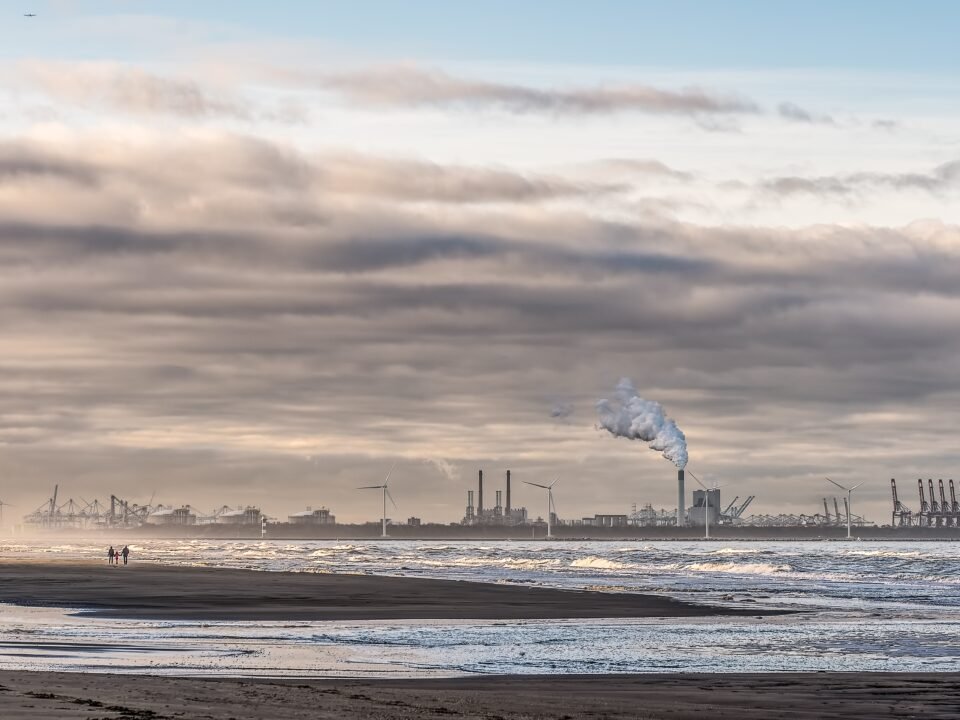
One of the most important positives about renewable energy is its ability to reduce the environmental impact associated with conventional energy production. Fossil-fuel power plants release significant amounts of greenhouse gases and other pollutants when they burn coal, oil, or natural gas.
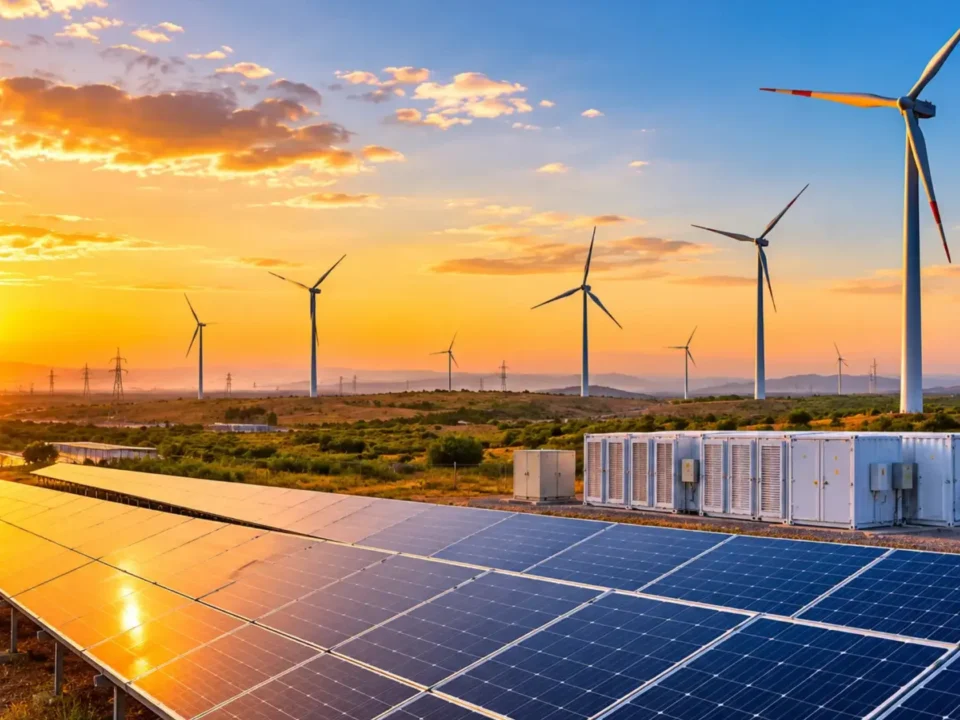
Renewable technologies generally produce electricity with substantially lower operational emissions. Solar panels generate electricity from sunlight, while wind turbines use moving air without requiring fuel combustion. Hydropower, geothermal energy, and sustainably managed biomass can also contribute to cleaner energy production.
Greater use of renewable energy can therefore support efforts to reduce air pollution and limit greenhouse gas emissions.
2. Provides Sustainable Energy Resources
Sustainability is another major advantage. Fossil fuels exist in limited quantities and require continuous extraction. As easily accessible reserves become more difficult to obtain, extraction can become increasingly expensive and environmentally challenging.
Renewable resources are naturally replenished. Sunlight continues to reach the Earth, wind is continuously produced by atmospheric processes, and water cycles through the environment. This makes renewable energy an important foundation for developing a more sustainable energy system.
For modern society, having access to energy resources that can be replenished naturally can improve long-term energy planning.
3. Improves Energy Security
Energy security is an important consideration for countries, businesses, and communities. Heavy dependence on imported fuels can expose economies to international price changes, supply disruptions, and geopolitical uncertainties.
Renewable energy can help diversify energy supplies. Countries can develop their own solar, wind, hydro, geothermal, or biomass resources instead of depending entirely on imported fossil fuels.
Distributed renewable systems can also support local energy production. Rooftop solar installations, community solar projects, and small-scale wind systems can allow electricity to be generated closer to where it is consumed.
4. Creates Economic Opportunities
Another significant benefit is economic development. The expansion of renewable energy creates demand for equipment manufacturing, engineering, construction, installation, maintenance, research, and professional services.
Solar farms and wind projects require workers during development and construction, while operating facilities need technicians and other specialists throughout their useful lives. Renewable energy growth can therefore contribute to employment and create opportunities for local businesses.
Investment in clean energy infrastructure can also stimulate innovation and encourage the development of new technologies.
5. Offers Long-Term Cost Benefits
The cost of renewable energy technologies has changed considerably as manufacturing processes, efficiency, and deployment have improved. Solar photovoltaic systems and wind turbines can generate electricity without the ongoing fuel costs associated with conventional power plants.
Once a renewable energy project is operational, its energy source—such as sunlight or wind—does not need to be purchased. Although renewable projects can involve significant initial investment, their long-term operating economics can be attractive.
For homeowners and businesses, renewable energy systems may also help reduce exposure to rising electricity costs, depending on local electricity prices, incentives, system performance, and financing arrangements.
6. Supports Energy Access in Remote Areas
Renewable energy can play an important role in expanding electricity access. Some remote communities are difficult or expensive to connect to large centralized electricity grids.
Off-grid and mini-grid renewable systems can provide electricity without requiring extensive transmission infrastructure. Solar home systems, battery-supported solar installations, small hydro systems, and other technologies can help supply power to locations where conventional grid expansion may be challenging.
Access to dependable electricity can support education, communication, healthcare, agriculture, and small businesses.
7. Encourages Technological Innovation
The transition toward renewable energy is encouraging innovation across the energy sector. Researchers and companies are developing more efficient solar panels, larger and more capable wind turbines, advanced batteries, smart grids, energy-management systems, and improved power electronics.
Energy storage is particularly important because some renewable resources vary according to weather and time of day. Better batteries and other storage technologies can help balance electricity supply and demand.
Digital technologies, artificial intelligence, forecasting systems, and smart-grid solutions are also helping operators manage increasingly diverse energy resources.
8. Supports Decentralized Energy Generation
Traditional energy systems often rely on large centralized power stations. Renewable energy makes it easier to develop distributed generation.
A household can install rooftop solar panels, a business can develop an on-site renewable system, and communities can participate in shared energy projects. This decentralization can provide consumers with greater involvement in how electricity is generated and managed.
When combined with batteries and energy-management technologies, distributed renewable systems can also improve resilience during certain grid disruptions.
9. Benefits Public Health
Reducing dependence on fossil-fuel combustion can provide public-health benefits. Conventional power generation and fuel extraction can contribute to air pollution, including particulate matter and other pollutants that affect air quality.
Renewable energy technologies such as solar and wind generate electricity without combustion during operation. Increasing their use can therefore help reduce some pollution associated with fossil-fuel-based electricity generation.
Cleaner air can support healthier communities, particularly in areas affected by industrial emissions and urban pollution.
10. Helps Build a Resilient Energy Future
The final of the key positives about renewable energy is its contribution to long-term energy resilience. Modern societies need electricity for communication, transportation, healthcare, manufacturing, agriculture, and digital infrastructure.
A diversified energy system that combines solar, wind, hydropower, geothermal, biomass, storage, and conventional resources can provide greater flexibility. Renewable energy can become an important component of this diversified system while reducing dependence on finite fuels.
Conclusion
The positives about renewable energy extend beyond environmental protection. Renewable energy can support sustainable development, improve energy security, create economic opportunities, encourage innovation, expand electricity access, and contribute to cleaner communities.
As technology continues to advance, renewable energy is expected to become an increasingly important part of modern energy systems. Governments, businesses, and consumers all have opportunities to support the transition by investing in efficient technologies, improving energy management, expanding infrastructure, and adopting responsible energy practices.
Renewable energy is not simply an alternative source of electricity; it is an important tool for building a more sustainable, flexible, and resilient energy future.