The Growing Importance of Sustainable Energy for All

Energy is essential for modern life. It powers homes, schools, hospitals, businesses, transportation systems, industries, and communication networks. However, access to reliable and affordable energy remains unequal across many parts of the world. At the same time, dependence on fossil fuels contributes to greenhouse gas emissions and environmental challenges. These issues have increased the need for cleaner, more reliable, and accessible energy solutions. This is why sustainable energy for all has become an increasingly important goal for communities, governments, businesses, and individuals.
Sustainable energy refers to energy produced and used in ways that can meet present needs without limiting the ability of future generations to meet theirs. Solar, wind, hydropower, geothermal, and sustainably produced bioenergy are among the major sources that can contribute to a cleaner energy system. Expanding access to these resources can support economic development while reducing environmental impacts.
What Does Sustainable Energy for All Mean?
The concept of sustainable energy for all focuses on ensuring that people everywhere can access dependable, affordable, modern, and cleaner energy. Energy access is not simply about having electricity. It also involves having energy that is safe, reliable, reasonably priced, and suitable for essential activities such as cooking, heating, lighting, education, healthcare, and economic production.
For communities that lack dependable electricity, renewable energy technologies can provide new opportunities. Solar home systems, mini-grids, small hydropower projects, and other decentralized technologies can help supply electricity to remote areas where extending conventional power infrastructure may be difficult or expensive.
Improving Energy Access
One of the major benefits of sustainable energy for all is improved access to electricity and modern energy services. Millions of people around the world have historically experienced limited or unreliable energy access. Without dependable electricity, schools may struggle to provide digital education, healthcare facilities may have difficulty operating equipment, and businesses may face restrictions on their operating hours.
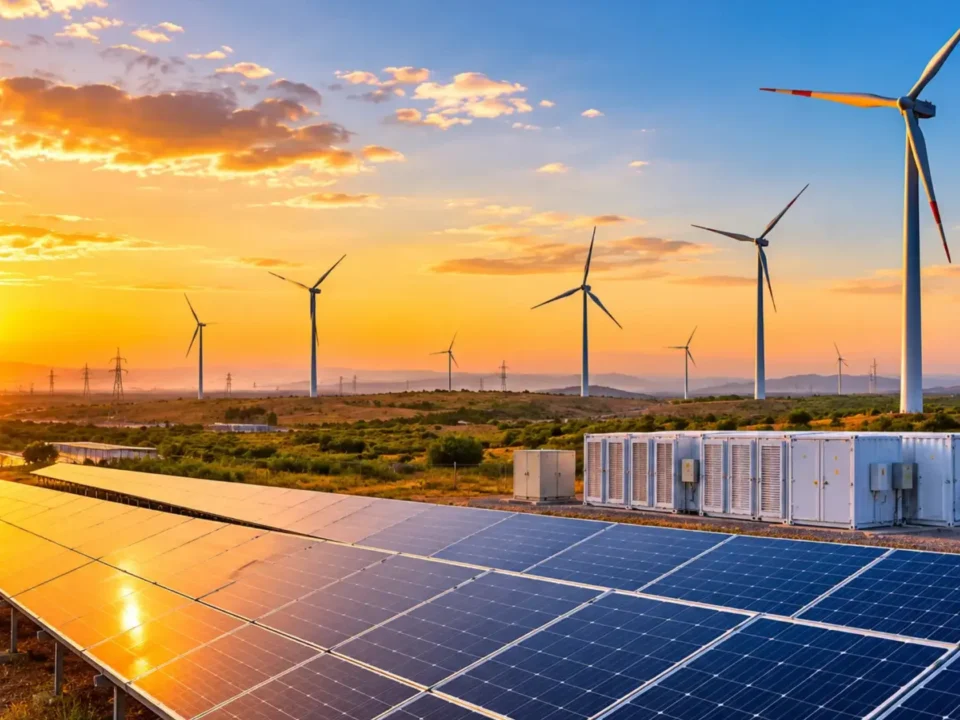
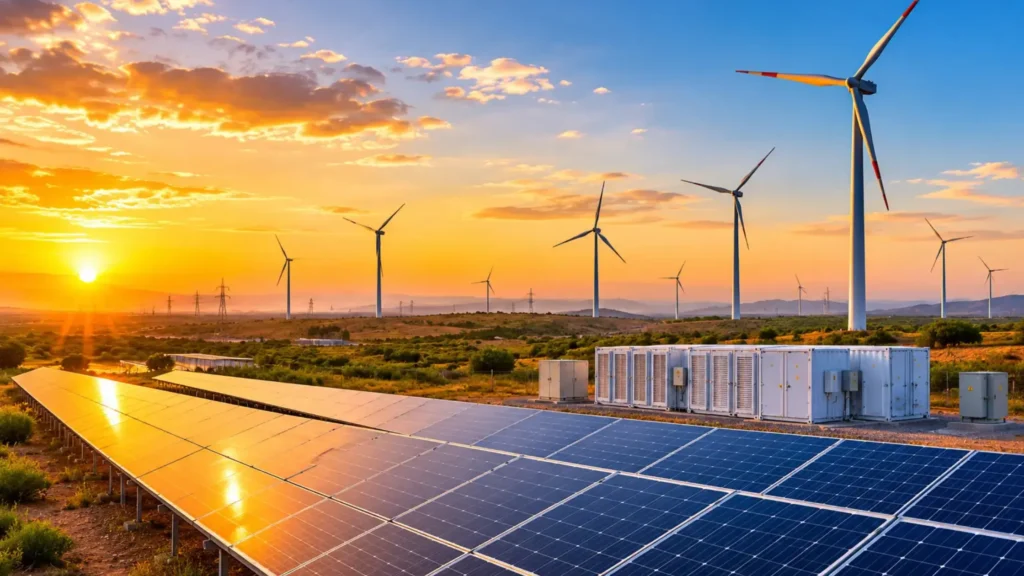
Renewable energy can provide flexible solutions for these challenges. Solar panels combined with batteries, for example, can provide electricity in locations that are distant from centralized grids. Mini-grids can serve groups of homes, businesses, schools, and public facilities.
Improved energy access can also support rural development. Farmers can use electricity for irrigation, refrigeration, food processing, and storage. Small businesses can operate equipment and expand their services. These improvements can contribute to productivity and local employment.
Supporting Environmental Sustainability
Another important reason to promote sustainable energy for all is the need to reduce environmental impacts associated with conventional fossil fuel use. Coal, oil, and natural gas remain major sources of global energy, but their combustion produces carbon dioxide and other pollutants.
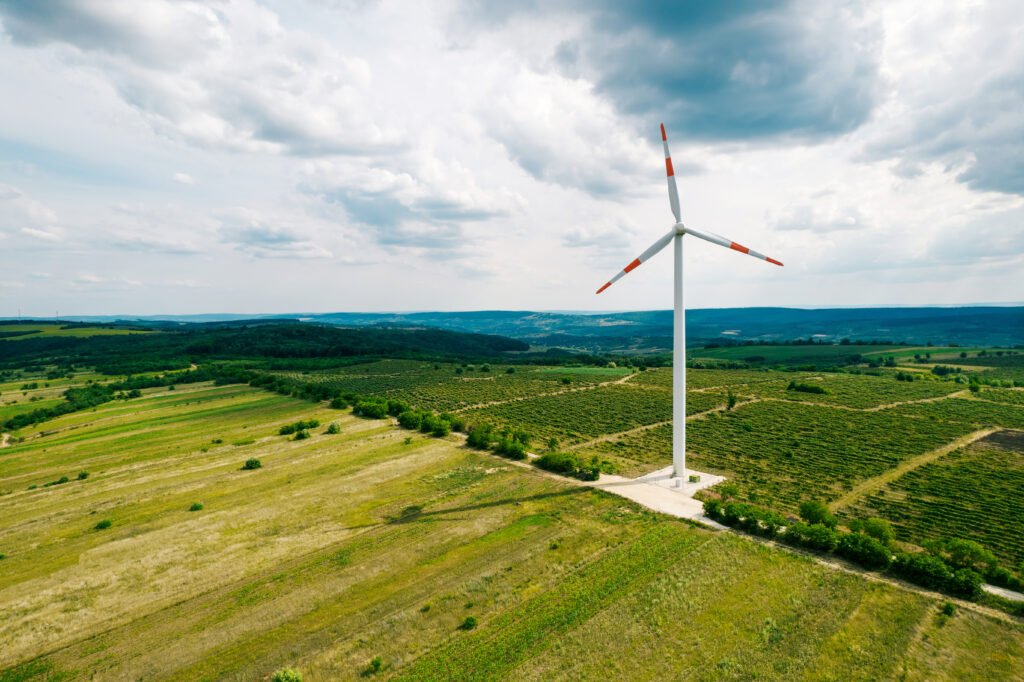
Renewable energy sources generally produce substantially lower operational greenhouse gas emissions than fossil-fuel-based electricity generation. Solar and wind power, for example, generate electricity without burning fuel during operation. Increasing their contribution to electricity systems can therefore support efforts to reduce emissions.
Sustainable energy development can also encourage more efficient use of natural resources. Energy efficiency measures, smart grids, energy storage, and modern power-management technologies can help reduce unnecessary energy consumption while maintaining useful energy services.
Creating Economic Opportunities
The transition toward sustainable energy for all is also connected with economic development. Renewable energy projects require workers for manufacturing, installation, construction, operation, maintenance, engineering, and project management.
Solar and wind projects can create employment opportunities in both urban and rural areas. Local businesses may participate in equipment installation, maintenance, transportation, construction, and related services. As renewable energy markets expand, demand can also increase for professionals with skills in electrical engineering, data analysis, energy management, environmental assessment, and project development.
Affordable renewable electricity can also benefit businesses. Companies that reduce energy costs or improve energy reliability may be better positioned to invest in production, technology, and expansion.
Encouraging Energy Security
Energy security is another important aspect of sustainable energy for all. Countries that depend heavily on imported fossil fuels can be exposed to changes in international energy prices and supply disruptions. Developing domestic renewable resources can help diversify energy supplies.
Solar and wind resources are available in many regions, while hydropower, geothermal resources, and sustainable biomass can provide additional options depending on local conditions. A diversified energy mix can reduce dependence on a single source and strengthen the resilience of energy systems.
Energy storage can further support renewable energy integration. Batteries and other storage technologies can store electricity when renewable generation is high and make it available when demand increases or renewable production declines.
The Role of Technology
Technology plays a central role in achieving sustainable energy for all. Advances in solar panels, wind turbines, batteries, power electronics, smart meters, and energy-management systems are changing how electricity is generated and consumed.
Smart grids can use digital technologies to monitor electricity demand and manage power flows more effectively. Consumers can use smart appliances and energy-management systems to reduce unnecessary consumption. Battery storage can improve the usefulness of intermittent renewable sources.
Artificial intelligence and data analytics can also support renewable energy forecasting, equipment maintenance, demand management, and grid planning. These technologies can help energy providers make better decisions and improve system efficiency.
Making Sustainable Energy Affordable
Affordability is essential to sustainable energy for all. Clean energy solutions need to be accessible not only to large companies and wealthy households but also to low-income communities and small businesses.
Financing programs, innovative payment models, community energy projects, and appropriate government policies can help reduce financial barriers. Falling technology costs have already made renewable energy more accessible in many markets, but upfront investment can still be challenging for some consumers.
Energy-efficient buildings, efficient appliances, and distributed renewable systems can help households manage long-term energy expenses. However, affordability strategies should consider local incomes, infrastructure, financing conditions, and energy needs.
The Importance of Policy and Collaboration
Governments, businesses, financial institutions, researchers, communities, and consumers all have roles to play in advancing sustainable energy for all. Governments can establish clear energy policies, develop infrastructure, support research, and create frameworks that encourage responsible investment.
Businesses can develop renewable technologies, improve energy efficiency, and invest in clean power projects. Financial institutions can support projects through suitable financing mechanisms. Educational institutions can prepare workers with the skills needed for the evolving energy sector.
Communities should also have opportunities to participate in energy decisions. Local involvement can help ensure that renewable energy projects consider community needs, environmental conditions, land use, and economic opportunities.
Building a Sustainable Future
Achieving sustainable energy for all is not only about replacing fossil fuels with renewable technologies. It requires a broader transformation of how energy is produced, distributed, stored, and consumed.
Future energy systems are likely to combine renewable generation, storage, efficient buildings, electric transportation, smart grids, and improved energy-management technologies. This transition can provide opportunities to expand energy access while addressing environmental and economic challenges.
Education and awareness are equally important. Consumers who understand energy efficiency and renewable technologies can make more informed choices about electricity use and investments. Businesses and communities can also identify opportunities to reduce waste and improve energy performance.
Conclusion
The growing importance of sustainable energy for all reflects the need for reliable energy access, environmental responsibility, economic opportunity, and long-term energy security. Renewable energy technologies can help expand electricity access, reduce dependence on fossil fuels, create employment, and support more resilient energy systems.
Achieving this vision will require continued technological innovation, investment, effective policies, skilled workers, and cooperation across sectors. Sustainable energy should be accessible to households, businesses, communities, and industries regardless of location or economic circumstances.
By combining renewable energy with energy efficiency, modern infrastructure, storage, digital technologies, and inclusive planning, societies can move toward an energy system that serves present needs while protecting opportunities for future generations. The journey toward sustainable energy for all is a long-term effort, but it can play an important role in building a cleaner, more inclusive, and resilient global future.