Water Turbine Generator for Home A Sustainable Way to Produce Electricity
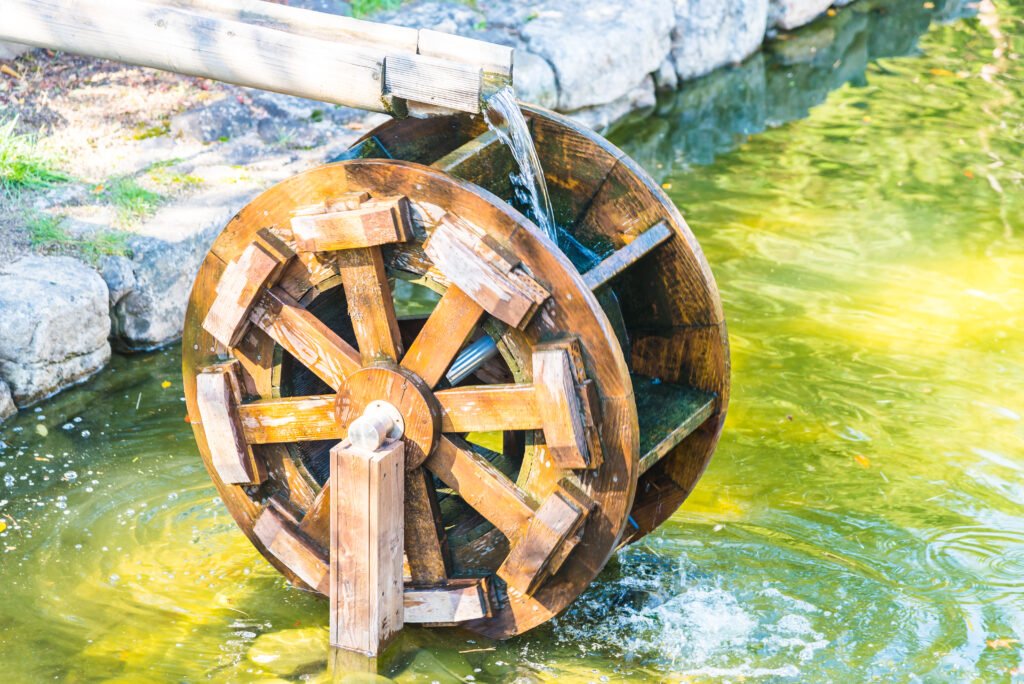
The growing demand for electricity and increasing environmental concerns have encouraged homeowners to explore alternative energy solutions. Renewable energy technologies such as solar panels, wind turbines, and hydropower systems are becoming popular choices for producing clean electricity. Among these options, a water turbine generator for home is an innovative solution that can convert flowing water into usable electrical energy. It offers an opportunity to generate electricity naturally while reducing dependence on conventional power sources.
Water turbine generators use the energy of moving water to rotate a turbine connected to an electrical generator. This process produces electricity without burning fossil fuels or releasing harmful emissions during operation. Homes located near flowing streams, rivers, canals, or other suitable water sources may benefit from this technology.
In this blog, we will explore how a water turbine generator works, its benefits, installation requirements, costs, and its role in promoting sustainable residential energy.
1. What Is a Water Turbine Generator for Home?
A water turbine generator for home is a small-scale hydropower system designed to produce electricity using the natural movement of water. It captures the kinetic or potential energy of flowing water and converts it into mechanical energy through a rotating turbine. The generator then transforms this mechanical energy into electrical power.
Unlike large hydropower plants, residential water turbine generators are generally compact and designed to meet smaller electricity requirements. Depending on the water flow and available height difference, these systems can generate enough electricity to operate household appliances, lighting systems, and other essential equipment.
These generators are particularly useful for properties with access to continuously flowing water. They can also work alongside solar panels and battery storage systems to create a hybrid renewable energy solution.
2. How Does a Water Turbine Generator Work?
Understanding the working process of a water turbine generator helps homeowners determine whether this renewable energy solution is suitable for their property.
The system operates through a simple energy conversion process.
Step 1: Water Flow Collection
Water is collected from a suitable natural or permitted water source, such as a stream, river, or canal. The system directs the water toward the turbine through a channel or pipeline.
Step 2: Turbine Rotation
As water flows through the turbine, its force pushes the blades or runners, causing them to rotate. The speed and force of rotation depend on the water flow rate and pressure.
Step 3: Electricity Generation
The rotating turbine drives a generator that converts mechanical energy into electrical energy through electromagnetic induction.
Step 4: Power Regulation
The generated electricity passes through electrical control equipment. Depending on the system design, a charge controller, inverter, or voltage regulator helps make the electricity suitable for household use.
Step 5: Electricity Storage and Consumption
The electricity can be supplied directly to compatible household loads, stored in batteries, or connected to an approved electrical system.
This continuous energy conversion process makes small hydropower an attractive option when a reliable water source is available.
3. Different Types of Water Turbine Generators for Homes
There are several types of water turbines available for small-scale electricity generation. Choosing the right model depends on water flow, pressure, available head, and installation conditions.
a. Pelton Turbine
Pelton turbines are designed for locations with high water pressure and relatively low water flow. They use specially shaped buckets to capture the energy of a high-speed water jet. These turbines are suitable for properties with a significant height difference between the water source and the turbine.
b. Francis Turbine
Francis turbines are commonly used in medium-head hydropower applications. Water enters the turbine and passes through specially designed blades, producing rotational movement. They are efficient across suitable operating conditions and can be considered for certain small hydropower projects.
c. Kaplan Turbine
Kaplan turbines are suitable for locations with low water head and higher water flow. Their adjustable blades help maintain efficient operation under changing water conditions.
d. Crossflow Turbine
Crossflow turbines are popular in small hydropower applications because of their relatively simple construction and maintenance requirements. Water passes through the runner twice, transferring energy to the rotating blades.
Selecting the correct turbine is important because every water source has different operating characteristics.
4. Benefits of Installing a Water Turbine Generator for Home
A water turbine generator for home offers several environmental and practical advantages, particularly for properties with suitable water resources.
Renewable and Clean Energy
Water is a renewable resource that can continuously produce energy when natural water flow is available. Unlike conventional electricity generation using fossil fuels, hydropower does not require fuel combustion during operation.
Reduced Electricity Bills
Generating electricity independently can reduce the amount of power purchased from the electricity grid. The actual savings depend on the system’s capacity, installation expenses, electricity consumption, and available water resources.
Continuous Electricity Production
Unlike solar panels that depend on sunlight and wind turbines that require suitable wind conditions, a properly designed hydropower system can generate electricity throughout the day and night if the water flow remains consistent.
Environmentally Friendly Solution
Small hydropower systems produce electricity without direct operational carbon emissions. They can help homeowners reduce their dependence on fossil-fuel-based electricity.
However, poorly designed installations may affect aquatic ecosystems, fish movement, and downstream water availability. Responsible planning is essential.
Long-Term Energy Benefits
A well-maintained water turbine generator can provide electricity for many years. Although initial installation costs can be significant, the system may offer long-term financial benefits where water resources are reliable.
5. Important Factors to Consider Before Installation
Before installing a residential hydropower system, homeowners should evaluate several important factors.
Water Flow Rate: The amount of water passing through the turbine determines how much energy can be generated. Consistent water availability is essential for reliable electricity production.
Water Head: Head refers to the vertical height difference between the water intake and the turbine outlet. A greater head generally provides more potential energy.
Installation Location: The property must have access to a suitable water source. The distance between the intake and turbine should also be considered.
Electricity Requirements: Homeowners should calculate their daily electricity consumption to select an appropriately sized generator.
Maintenance Needs: Turbines require periodic inspection to remove debris, check bearings, and maintain electrical components.
Legal Permissions: Using river, stream, or canal water may require approvals from relevant authorities. Environmental regulations and water-use rights must be considered before construction.
6. How Much Electricity Can a Home Water Turbine Generate?
The electricity generation capacity of a small hydropower system depends mainly on water flow and head.
A simplified formula for estimating hydropower output is:
Power (kW) = 9.81 × Flow Rate (m³/s) × Head (m) × Efficiency
For example, consider a system with:
- Water flow rate: 0.02 cubic metres per second
- Water head: 10 metres
- Overall efficiency: 60%
The estimated electricity generation capacity would be approximately 1.18 kW.
If this system operates continuously for 24 hours, it could theoretically produce around 28.3 kWh of electricity per day.
Actual generation may be lower because of changing water conditions, equipment losses, and maintenance downtime.
This calculation helps homeowners understand whether their available water resources can support their household energy requirements.
7. Installation and Maintenance Requirements
Installing a water turbine generator for home requires proper technical planning to ensure safe and efficient operation.
The first step is conducting a site assessment to measure water flow and head. These measurements help determine the appropriate turbine type and generator capacity.
Next, the installation team designs the water intake, pipeline, turbine housing, and discharge arrangement. The generator and electrical control equipment are then installed and connected according to applicable electrical safety standards.
Regular maintenance is essential for keeping the system operational. Homeowners should inspect the turbine blades, clean intake screens, check pipelines for leaks, and monitor electrical connections.
It is also important to protect the system from flooding, sediment buildup, and debris. Professional inspections can help identify potential problems before they affect electricity generation.
8. Challenges of Using Water Turbine Generators at Home
Despite their advantages, residential hydropower systems have certain limitations.
The biggest challenge is water availability. Not every property has access to a suitable stream or water source with sufficient flow and head.
Initial installation costs can also be high because the project may require pipelines, civil construction, turbines, generators, and electrical equipment.
Seasonal variations can affect electricity production. Water flow may decrease during dry periods, reducing the system’s output.
Environmental concerns are another important consideration. Improper water diversion can disturb aquatic habitats and affect local ecosystems. Therefore, installations should be designed to maintain appropriate environmental flows.
9. The Future of Residential Hydropower
The future of residential hydropower looks promising as renewable energy technologies continue to develop. Improvements in turbine design, compact generators, electronic controllers, and battery storage are making small hydropower systems more practical.
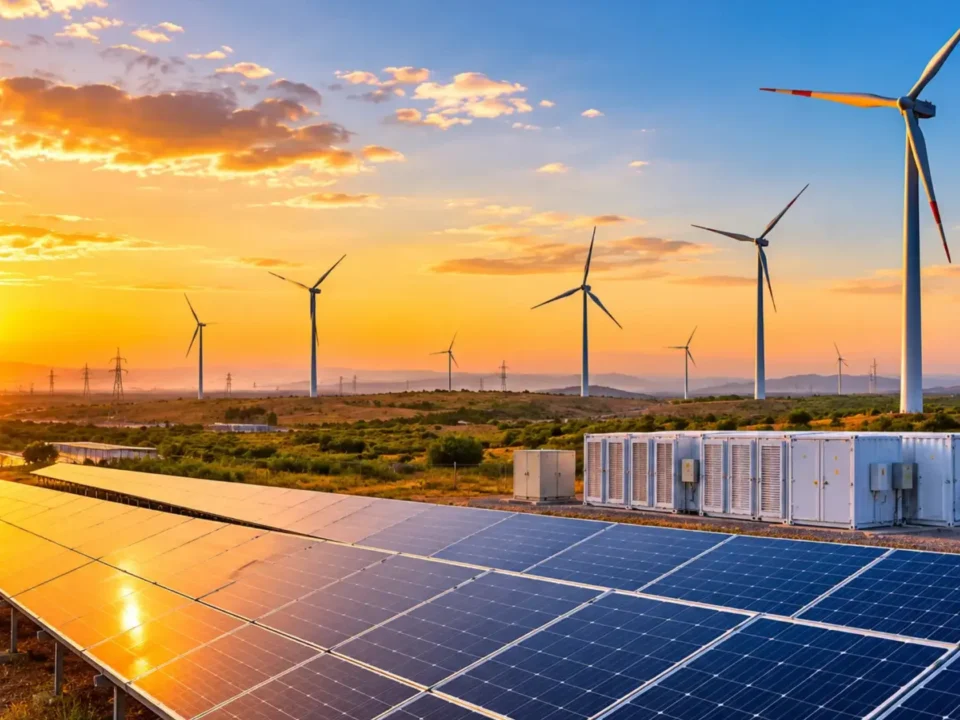
Modern systems can also be integrated with solar panels and other renewable technologies. For example, a homeowner can use solar power during sunny hours and hydropower when sunlight is unavailable, provided a suitable water source exists.
In rural and remote locations, small hydropower can support energy independence and provide electricity where grid connectivity is limited.
As awareness of sustainable energy increases, residential hydropower may become an important part of decentralized electricity generation.
Conclusion
A water turbine generator for home is an effective renewable energy solution for properties with access to reliable flowing water. By converting the natural energy of moving water into electricity, these systems can reduce grid dependence, support sustainable living, and provide a continuous source of clean power.
Although installation costs, water availability, environmental considerations, and legal permissions must be evaluated, the long-term benefits can make residential hydropower a worthwhile investment.
With technological advancements and responsible installation practices, water turbine generators have the potential to contribute significantly to a cleaner and more sustainable energy future. Homeowners looking for alternative electricity solutions can consider small hydropower as a practical step toward energy independence and environmental protection.