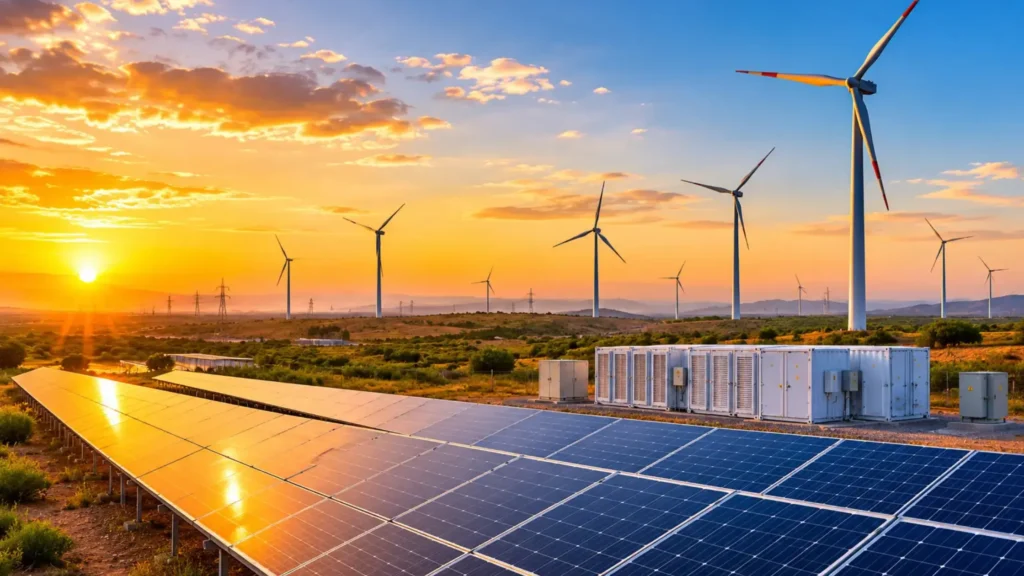
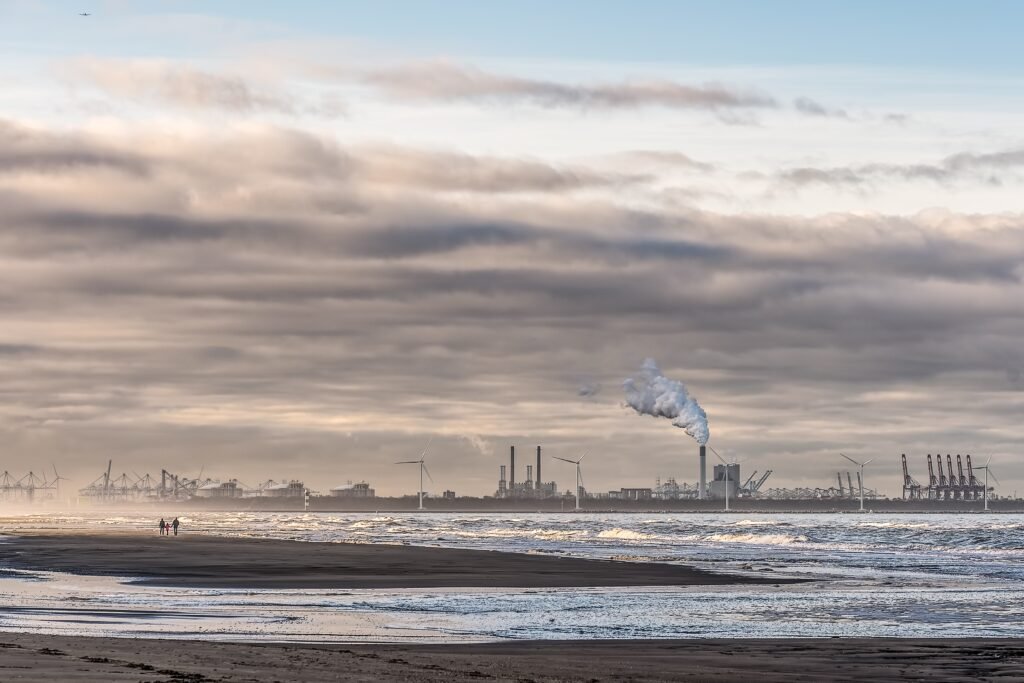
The Growth of US Clean Energy and Its Impact on the Economy

The rapid expansion of us clean energy is transforming the nation’s economy, creating jobs, attracting investments, and reducing dependence on fossil fuels. Over the past decade, the United States has witnessed remarkable growth in renewable energy technologies such as solar power, wind energy, hydropower, and battery storage systems. As governments, businesses, and consumers increasingly prioritize sustainability, clean energy has become a major driver of economic development and innovation.
This shift toward cleaner energy sources is not only helping to reduce greenhouse gas emissions but is also generating substantial economic benefits. From job creation to infrastructure development, the growth of us clean energy is reshaping industries and building a more resilient future.
Understanding US Clean Energy
US clean energy refers to energy generated from renewable and low-emission sources that minimize environmental impact. These sources include:
- Solar energy
- Wind energy
- Hydroelectric power
- Geothermal energy
- Biomass energy
- Nuclear power (often considered a low-carbon energy source)
Unlike traditional fossil fuels such as coal, oil, and natural gas, clean energy technologies produce little to no carbon emissions during operation. This makes them critical tools in addressing climate change while supporting long-term economic growth.
Factors Driving the Growth of US Clean Energy
Several factors have contributed to the rapid expansion of us clean energy across the country.
Government Policies and Incentives
Federal and state governments have introduced tax credits, grants, and renewable energy standards that encourage clean energy investments. Programs supporting solar installations, electric vehicles, and energy-efficient technologies have accelerated adoption among homeowners and businesses.
These incentives reduce upfront costs and make renewable energy projects more financially attractive.
Declining Technology Costs
One of the biggest reasons behind the growth of us clean energy is the significant decline in technology costs. Solar panel prices have dropped dramatically over the past decade, while wind turbine efficiency has improved considerably.
As renewable technologies become more affordable, they compete directly with conventional energy sources, making clean energy a practical option for utilities and consumers alike.
Corporate Sustainability Goals
Many large corporations have committed to reducing carbon emissions and achieving sustainability targets. Companies are increasingly investing in renewable energy projects to power their operations and meet environmental, social, and governance (ESG) goals.
Corporate demand has created a strong market for clean energy developers and infrastructure providers.
Consumer Awareness
Consumers are becoming more conscious of environmental issues and energy costs. This growing awareness has increased demand for renewable energy solutions such as rooftop solar systems, energy-efficient appliances, and electric vehicles.
As a result, the clean energy market continues to expand across residential and commercial sectors.
Economic Benefits of US Clean Energy
The growth of us clean energy delivers significant economic advantages that extend beyond environmental protection.
Job Creation
One of the most visible benefits is employment growth. Renewable energy industries employ millions of workers across various sectors, including manufacturing, installation, maintenance, engineering, and research.
Solar and wind industries have become major sources of employment, particularly in rural areas where many renewable energy projects are located.
These jobs often offer competitive wages and provide opportunities for workforce development in emerging industries.
Increased Investment
Clean energy projects attract billions of dollars in private and public investment each year. Investors recognize renewable energy as a growing and profitable market with long-term potential.
Large-scale solar farms, offshore wind projects, battery storage facilities, and electric vehicle infrastructure require substantial capital, stimulating economic activity and supporting local communities.
Rural Economic Development
Many renewable energy projects are located in rural regions where land availability is greater. Wind farms and solar installations generate lease payments for landowners, increase local tax revenues, and create employment opportunities.
This economic activity helps diversify rural economies and provides stable income sources for communities that may have limited industrial development.
Energy Cost Savings
Renewable energy sources often have lower operating costs than fossil fuel-based power plants. Once infrastructure is installed, sunlight and wind are free resources that do not require fuel purchases.
These savings can reduce electricity costs over time and provide greater energy price stability for businesses and households.
Innovation and Technological Advancement
The expansion of us clean energy has fueled innovation across multiple industries.
Research institutions and technology companies are developing advanced solutions in areas such as:
- Battery storage
- Smart grid systems
- Electric vehicles
- Hydrogen energy
- Energy management software
These innovations improve energy efficiency, increase grid reliability, and create new business opportunities.
The United States has become a global leader in clean energy research, helping maintain competitiveness in emerging international markets.
Environmental and Public Health Benefits
While economic growth is a major advantage, us clean energy also contributes to environmental sustainability and public health improvements.
Reduced reliance on fossil fuels helps decrease air pollution, leading to cleaner air and healthier communities. Lower emissions can reduce respiratory illnesses and other health issues associated with poor air quality.
Additionally, renewable energy helps combat climate change by lowering carbon dioxide emissions, supporting long-term environmental stability.
These environmental improvements can generate economic savings through reduced healthcare costs and improved workforce productivity.
Challenges Facing US Clean Energy
Despite its rapid growth, the us clean energy sector faces several challenges.
Grid Modernization
Many parts of the nation’s electrical grid were designed for traditional centralized power generation. Integrating large amounts of renewable energy requires significant upgrades to transmission and distribution systems.
Investments in modern grid infrastructure are essential for supporting future clean energy growth.
Energy Storage Limitations
Solar and wind energy depend on weather conditions, creating variability in power generation. Advanced battery storage systems are needed to ensure reliable electricity supply during periods of low renewable output.
Although battery technology continues to improve, large-scale deployment remains a key challenge.
Workforce Development
As the clean energy sector expands, demand for skilled workers increases. Training programs and educational initiatives are necessary to prepare workers for careers in renewable energy industries.
Addressing workforce shortages will be critical for sustaining industry growth.
Regulatory and Policy Uncertainty
Changes in government policies and regulations can influence investment decisions. Stable and predictable policies help create confidence among investors and support long-term project development.
The Future of US Clean Energy
The future of us clean energy appears highly promising. Continued advancements in technology, growing consumer demand, and increasing investment are expected to drive further expansion in the coming years.
Emerging technologies such as advanced battery storage, green hydrogen production, and next-generation renewable energy systems will enhance efficiency and reliability. At the same time, businesses and governments are likely to continue prioritizing sustainability and carbon reduction initiatives.
As clean energy adoption grows, the United States can strengthen its energy security, improve economic competitiveness, and reduce environmental impacts.
Conclusion
The remarkable growth of us clean energy is reshaping the American economy and creating new opportunities across multiple sectors. Through job creation, infrastructure investment, technological innovation, and environmental benefits, clean energy has become a powerful engine for economic development.
While challenges remain, ongoing advancements and supportive policies are helping accelerate the transition toward a cleaner and more sustainable energy future. As the nation continues investing in renewable technologies, us clean energy will play an increasingly important role in driving economic prosperity and environmental responsibility for generations to come.